WebsterResearch Institute for Interdisciplinary Ethnography on Violence, Gender, Sexuality and Justice
Research Institute for Interdisciplinary Ethnography on Violence, Gender, Sexuality and Justice
We advance interdisciplinary research on violence, gender, sexuality, and justice, exploring lived experiences, challenging conventions, and amplifying diverse perspectives.
Research Institute for Interdisciplinary Ethnography
The Research Institute for Interdisciplinary Ethnography on Violence, Gender, Sexuality and Justice at Webster Vienna Private University advances interdisciplinary research on some of the most pressing social challenges of our time. Through ethnographic, participatory and community-engaged approaches, the institute examines how violence, gender, sexuality and justice are experienced, negotiated and contested in everyday life, while exploring the broader social, political and historical structures that shape these experiences.
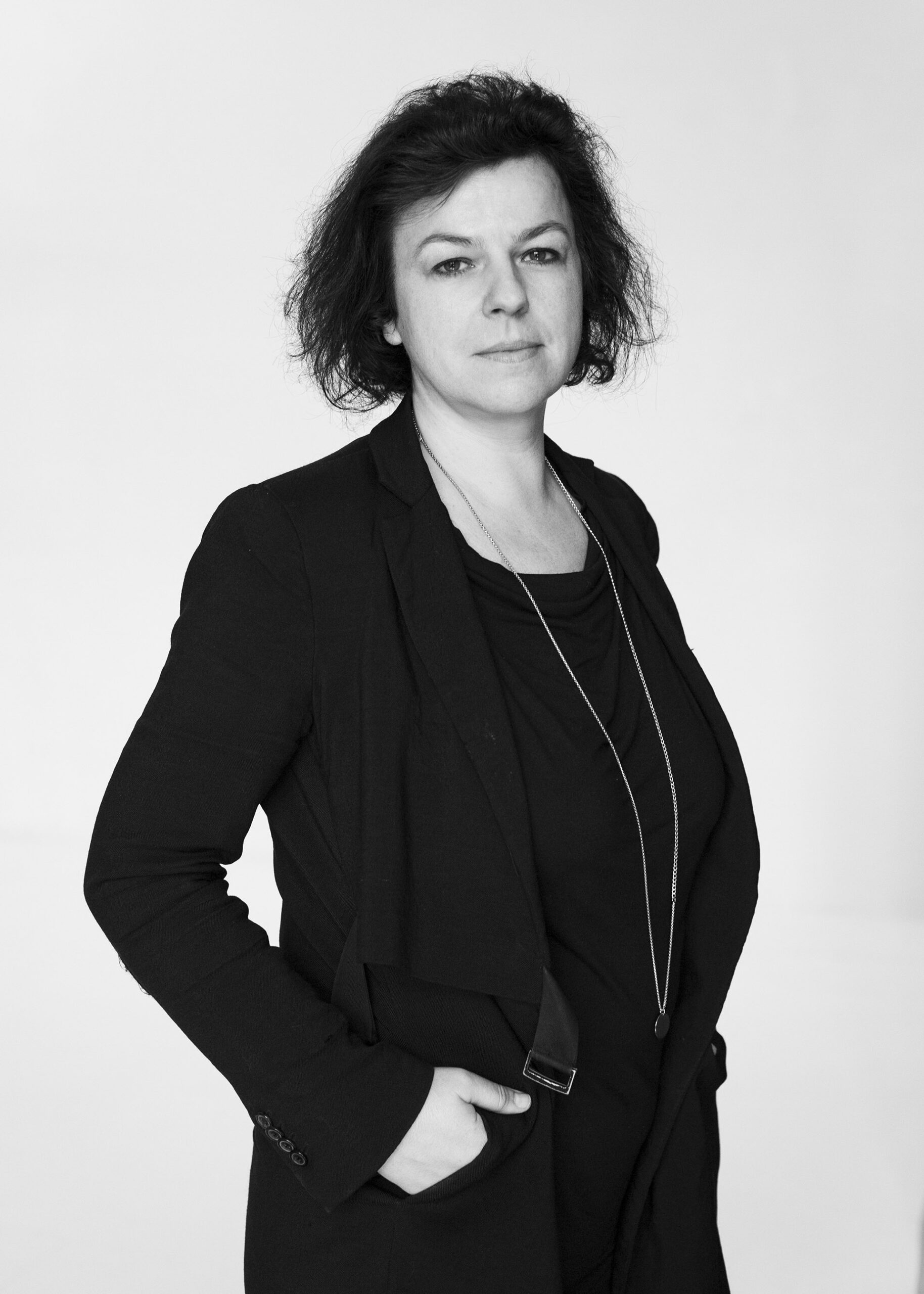
The institute is directed by Judith Albrecht, Ph.D., an internationally recognized social anthropologist and visual ethnographer whose research spans more than 25 years across Africa, Europe and the United States. Her expertise in gender, violence, trauma, displacement, justice and visual ethnography provides the foundation for the institute’s interdisciplinary research agenda.
Opening Days 2026: Ethnography, Film and Justice in Vienna
Webster Vienna Private University launches a new Research Institute with three days of international ethnographic films, keynote lectures, artistic interventions and public conversations.
When: 19–21 November 2026Where: Vienna, four venuesOpen to: researchers, artists, students & the public
How can ethnography contribute to a more just world? Whose experiences of violence, inequality and resistance become visible, and whose voices remain unheard?
Program at a Glance
Day 1 · Thursday
19 November
mumok
Festival opening – Travelling GIEFF – Vienna Ethnographic Film Days
Keynote: Maka Suarez (University of Oslo) – Ethnography, Gender and Violence
Screening:Highway Nomads (Mexico, 2023)
Day 2 · Friday
20 November
Webster Vienna & Breitenseer Lichtspiele
Public keynote: Andrew Gilbert – Professor of Design Anthropology
Workshop:Multimodal Appreciation: Introducing the Kit
Film screenings continue at Breitenseer Lichtspiele
Day 3 · Saturday
21 November
Breitenseer Lichtspiele & Kunsthalle Exnergasse
Film screenings at Breitenseer Lichtspiele
Participatory event:Golden Record at Kunsthalle Exnergasse
17:00 Closing keynote: Hayal Akarsu – Ethnography and Justice
These questions are at the heart of the Opening Days 2026, celebrating the launch of the new Research Institute for Interdisciplinary Ethnography on Violence, Gender, Sexuality and Justice at Webster Vienna Private University.
Headed by Judith Albrecht, Associate Professor of Social Science, anthropologist and filmmaker, the new institute brings together interdisciplinary research on gender, violence, sexuality and justice. Its approach emphasizes collaborative and engaged ethnography, recognizing people and communities not simply as subjects of research but as partners in the production of knowledge.
From 19 to 21 November, the institute invites researchers, filmmakers, artists, activists, students and the wider public to explore ethnography as a creative, collaborative and socially engaged practice.
International Ethnographic Film Days
A central part of the Opening Days is the Travelling GIEFF – Vienna Ethnographic Film Days, presenting international documentaries and experimental films exploring gender, migration, sexuality, care, inequality, resistance and belonging.
The festival opens on 19 November at mumok with a keynote by Maka Suarez (University of Oslo) on Ethnography, Gender and Violence, followed by Highway Nomads (Mexico, 2023), a documentary exploring gender, labor and survival through the experiences of Mexican truck drivers.
On 20 and 21 November, screenings continue at Breitenseer Lichtspiele, featuring films from across the world, including:
We Might Be Alike
Drags In Da’ House
Angry Spirits
Work Between Us
A further keynote by Omar Kasmani addresses Ethnography and Sexuality.
The festival understands ethnographic filmmaking not simply as a means of documenting social realities, but as an independent form of knowledge production that opens new perspectives and encourages public dialogue.
Multimodal Research and Public Engagement
On Friday, 20 November, Webster Vienna Private University hosts Multimodal Appreciation: Introducing the Kit, a workshop exploring how research involving film, photography, sound and collaborative artistic practices can be appreciated and evaluated. The program begins with a public keynote by Andrew Gilbert, Professor of Design Anthropology.
The Opening Days conclude on 21 November at Kunsthalle Exnergasse with a participatory Golden Record event, inviting visitors to contribute stories, images, sounds and perspectives on gender, violence, sexuality and justice.
Inspired by the idea of communicating life on Earth through a collection of images and sounds, the event asks: Whose stories would we include if we were to create such a record today?
The closing keynote, Ethnography and Justice, will be delivered by Hayal Akarsu at 17:00. Together, the Opening Days create a space for encounters between research, film, art and society, reflecting the new institute's commitment to collaborative knowledge production, epistemic justice and public engagement.
Institute Head
Judith Albrecht, Associate Professor of Social Science, Webster Vienna Private University judith.albrecht@webster.ac.at
The institute seeks to generate empirically grounded research that deepens understanding of violence, gender, sexuality and justice while contributing to academic scholarship, public dialogue and social change.
Recognizing gender as a critical analytical category, the institute explores how inequalities are produced, maintained and challenged across different social, cultural and political contexts. Its research investigates both lived experiences and the structural conditions that influence identity, belonging, migration, exclusion and justice.
The institute’s work focuses on topics including:
Violence and trauma
Gender and gender inequality
Sexuality
Justice and social inclusion
Migration, displacement and belonging
Identity and social transformation
Visual and multimodal ethnography
Community-engaged and participatory research
The institute is led by Judith Albrecht, Ph.D., a German social anthropologist and visual ethnographer. She earned her doctorate in Social Anthropology from Freie Universität Berlin and has held research and teaching positions at Freie Universität Berlin, Humboldt University Berlin and the University of Graz.
Her research has been conducted in Tanzania, Malawi, Iran, Libya, Germany and the United States, in close collaboration with refugee and diaspora communities. In addition to her academic expertise, Dr. Albrecht is trained as a trauma social worker, bringing methodological and ethical expertise to research involving survivors of violence. Her work in visual and multimodal ethnography expands the possibilities of qualitative research through film, photography and digital storytelling.
Ethnography is at the heart of the institute’s work. Through long-term fieldwork, documentation and collaboration with communities, researchers examine lived, embodied and emotional experiences while connecting them to wider systems of power, governance, law and inequality.
The institute understands ethnography not simply as a method of observation, but as a critical approach to understanding how social realities are created, experienced and transformed. By combining qualitative, participatory and multimodal methods—including film, photography and digital media—the institute develops rich, community-centered perspectives on complex social issues.
Advancing Research at Webster Vienna
The institute strengthens Webster Vienna Private University’s Society and Individuals Under Change research cluster while expanding the university’s international research profile. Through interdisciplinary collaboration and community-engaged scholarship, it contributes to contemporary debates on violence, gender, sexuality, justice and social change by producing research that connects individual experiences with broader societal processes.